
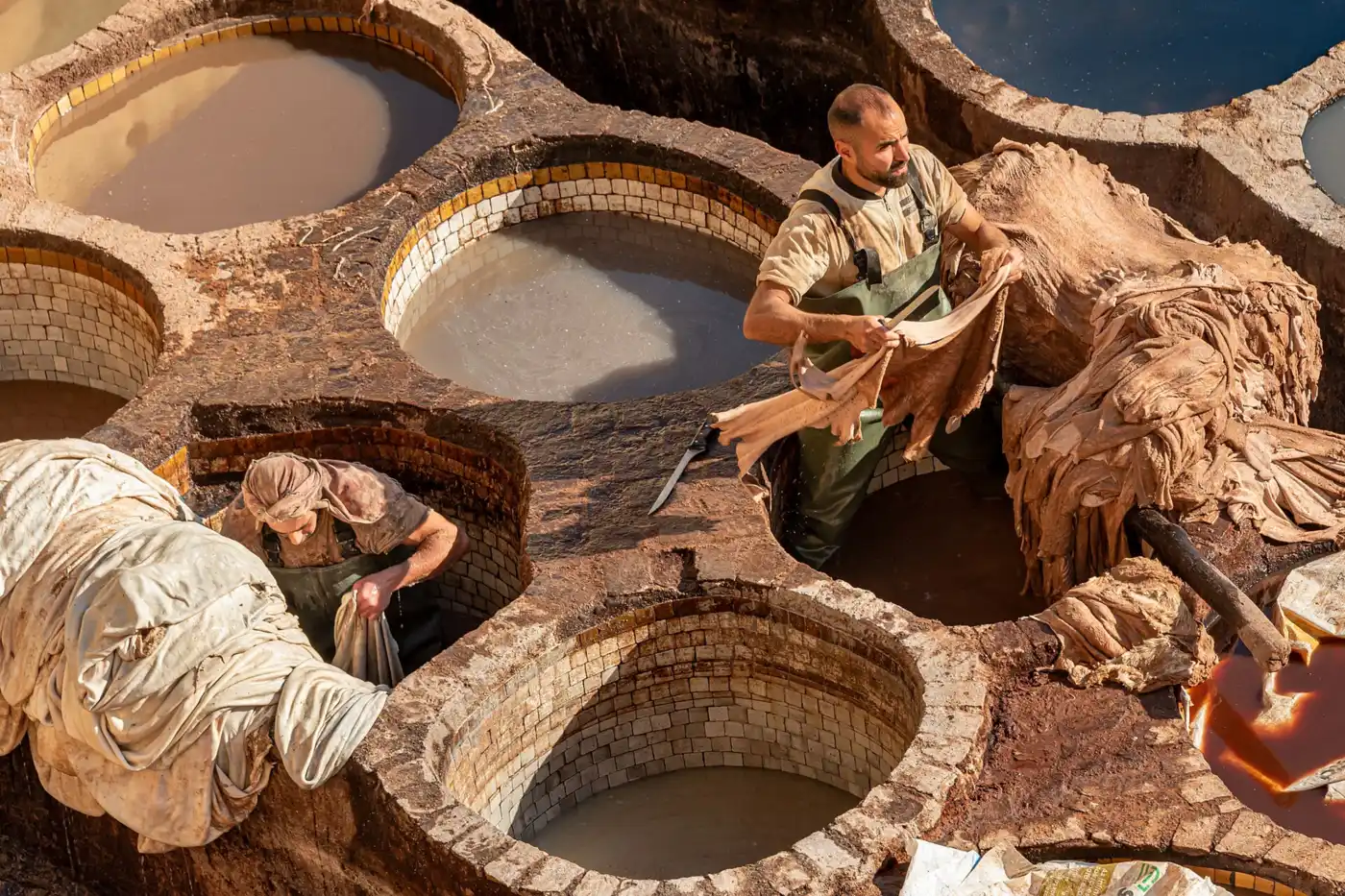
The expensive vs. cheap shoes debate usually gets framed as a question of materials, and that’s the wrong place to look. An expensive shoe doesn’t contain twice as much shoe as a cheap one. What it mostly contains is more markup. The leather, which is what most people think they’re paying for, is usually a small slice of the final price. What separates a $50 pair from a $250 pair is spread across labor, construction, import duties, the brand and the store. There’s data to follow that money, some of it current and some half a century old, and it all tells the same story.
What a shoe is worth leaving the factory
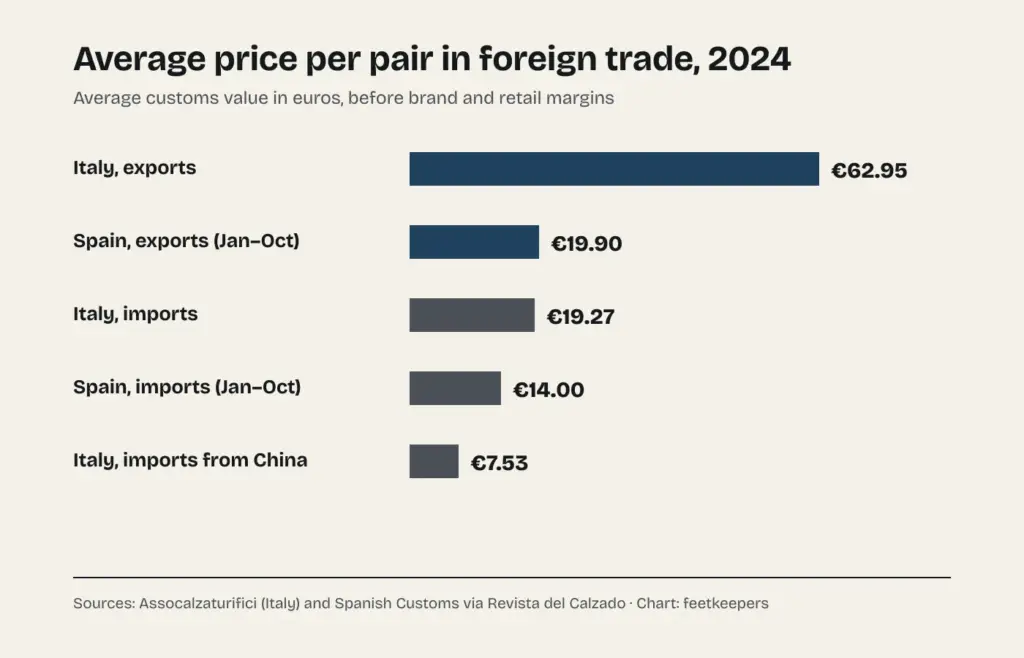
The best clue to what a shoe costs to make sits at the border, where customs records how many pairs cross and at what declared value. According to the World Footwear Yearbook from the Portuguese footwear association APICCAPS, the global average export price in 2024 was $11.47 a pair, down from $11.99 the year before. In Italy, the manufacturers’ association Assocalzaturifici put the average price of an exported pair at €62.95, down 5.4 percent after two years of increases of more than 11 percent. Pairs Italy imported averaged €19.27, and pairs from China, €7.53. Spain’s exports, according to customs data reported by the trade magazine Revista del Calzado, averaged €19.90 a pair from January through October 2024, and its imports €14.
None of those figures is what you pay at the register. They’re the value of a shoe at the border, before the brand and the retailer take their share. But they set the starting line: a big share of the world’s shoes leave the factory for less than the price of a lunch.
Two shoes from 1972, taken apart
To see where the money goes, you have to open a shoe up, and in 1972 the U.S. Department of Agriculture did exactly that. Economist Fred Poats of the department’s Economic Research Service followed leather from the slaughterhouse to the shoe store for two styles of men’s oxfords, using data from hide processors, tanneries, shoe manufacturers and trade associations.
Shoe A was a mid-priced casual oxford, mostly cemented, with partial linings, soft leather uppers and non-leather soles and heels. Shoe B was a traditional dress oxford with machine-stitched seams, full linings, welted leather soles and heels and high-quality full-grain upper leather.
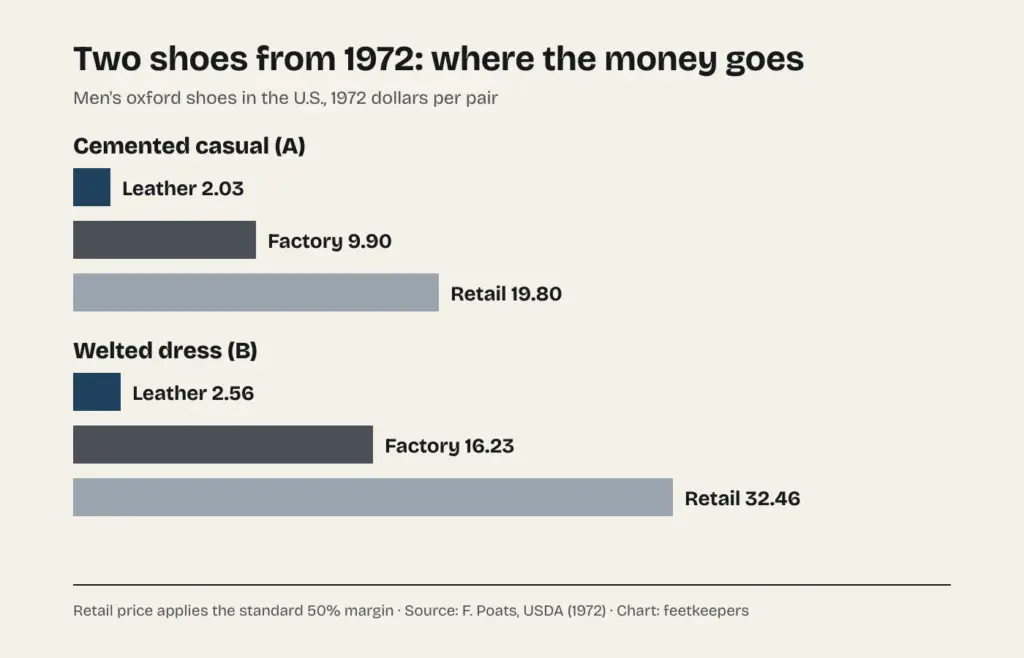
The upper leather in shoe A cost $2.03 a pair. In shoe B, $2.56. Shoe A left the factory at $9.90 and shoe B at $16.23. With the standard 50 percent margin reported by the independent retailers’ trade association, A retailed for $19.80 and B for $32.46.
Run the numbers. Upper leather came to about 10 percent of the retail price of the cheaper shoe and about 8 percent of the pricier one. Between the two, the factory price jumped 64 percent, while the leather only added 26 percent. What made shoe B expensive wasn’t mainly the material. The report spells it out: manufacturers paid more for every single component of the dress shoe, and labor cost more because it took more skill and more time. The casual shoe was cheaper to put together because it had fewer parts and its soles were cemented instead of stitched.
And there was a multiplier effect. Selling costs, which ran 15 to 20 percent of the factory price, and profit, targeted at 10 percent, were both calculated as percentages. So the more a shoe cost to make, the more they grew too. The store’s margin did the same thing: 50 percent of a bigger number is more money. And that margin had been growing. In 1964, the retail margin on shoes, including delivery from the factory, had been reported at 41.7 percent of the retail price. By 1972, the retailers’ own trade association called 50 percent the regular margin.
When hide prices explode
Poats’s report grew out of a crisis. Between August 1971 and June 1972, U.S. cattle hide prices more than doubled, driven by strong world demand for leather, a sharp drop in Argentina’s exports and the shutdown, in 1971, of U.S. production of two major synthetic substitutes. To blunt the blow, the federal government clamped controls on the markups of tanners, shoemakers and retailers under the wage-price freeze, and limited hide exports.
By his calculations, every one-cent rise in the price of a pound of hide added 1.46 cents to a square foot of upper leather. Even so, the doubling of hide prices only added 66 to 75 cents to each pair of shoes, or 5 to 7 percent of the factory price. At the tannery, raw hide already accounted for about 60 percent of the value of finished leather, up from 50 percent in 1964. In the price of a finished shoe, though, it stayed a modest line item.
The report is full of details about the trade that rarely get told. A typical fresh hide from fattened beef cattle weighed about 75 pounds and came down to 48 pounds after brine curing, which by then had replaced more expensive dry salting at highly mechanized plants next to the slaughterhouses. Between 1964 and 1972, the cost of processing a pound of hide fell from 5.3 cents to 2.6. And custom-finished leathers, made to each customer’s specified colors and coatings, had grown from under a quarter of tannery sales to between 60 and 80 percent.
Not all leather is equal
Leather being a small share of the price doesn’t mean it doesn’t matter which leather goes in. A hide changes in thickness and firmness from one area to the next, and leather cutters learned to place each pattern where it worked best, as we explain in our story on how shoes are made. Shoe B in 1972 used more upper leather than shoe A, of better quality and with more finishing. And at the tannery, custom finishes were already the biggest driver of leather prices after the hide itself.
That’s one of the real differences between an expensive shoe and a cheap one: what leather goes in and which part of the animal each piece comes from. The gap can be huge. For sole leather, the 1952 USDA bulletin we cite in our story on how many pairs of shoes you need explained that soles cut from the bend, the firm, close-fibered section along the back, wore about twice as long as soles from the soft, flabby belly, and one and a half times as long as soles from the shoulder. The bend, the same bulletin said, is a nearly rectangular piece about 50 by 25 inches, roughly half of each side of the hide, running from the root of the tail to just behind the shoulder.
Construction: stitching costs, cement saves
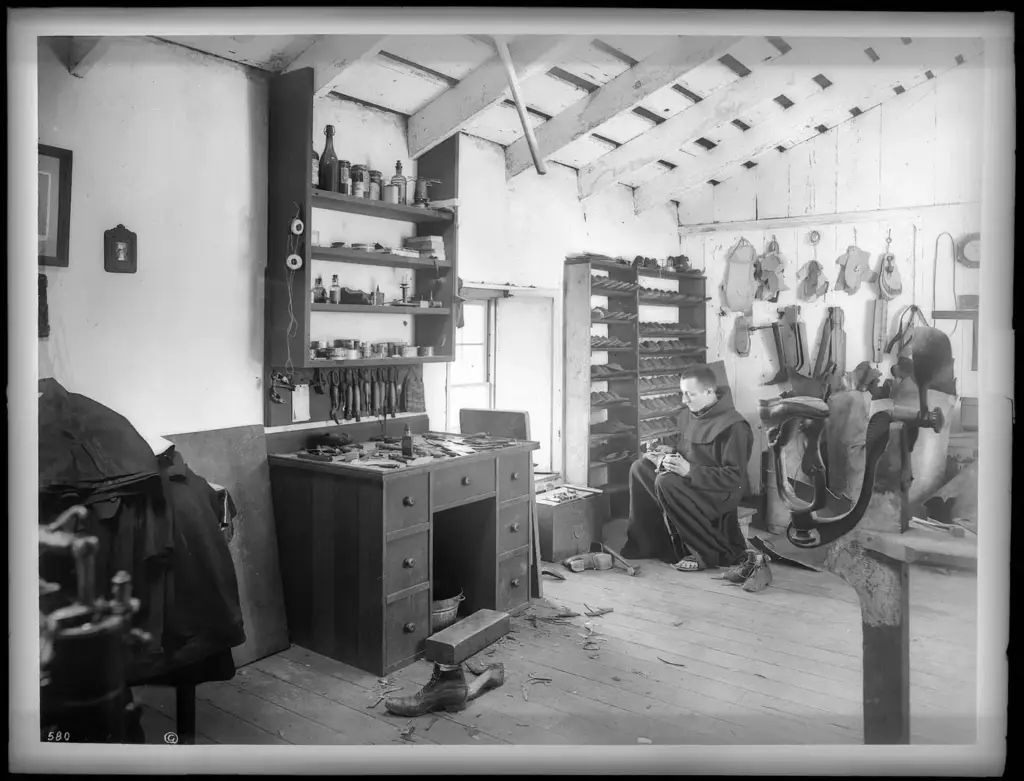
The second big difference is how the sole goes on. A welted shoe like 1972’s shoe B takes more parts, more operations and more skilled labor than a cemented one. In exchange, it can be resoled several times. A cemented shoe is faster to make, lighter and cheaper, and it’s usually harder to repair. The Footwear Distributors & Retailers of America, the industry’s trade group, noted in 2025 that it takes more than 100 touches to make a basic pair of leather dress shoes.
That difference doesn’t show in the store window, but it tends to show up when the sole wears through: the stitched shoe has a much easier road back to the cobbler. Each construction has its own logic, and it’s worth knowing which one you’re paying for.
Tariffs: a tax that runs backward
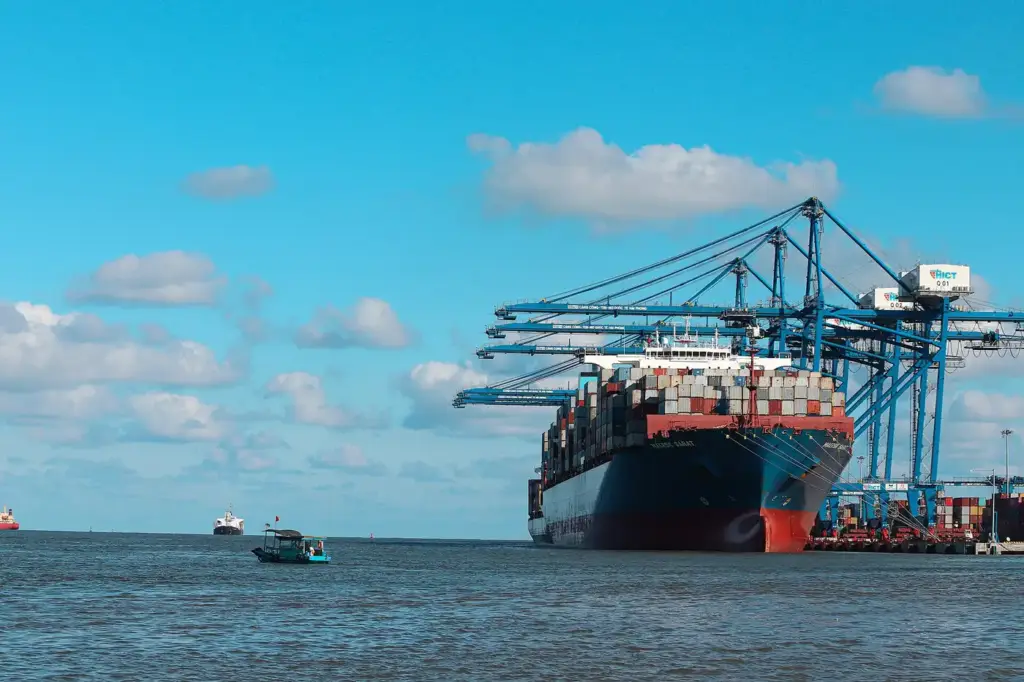
Between the factory and the store there’s a trip, and usually a customs house. In the U.S., it’s a big one. According to FDRA, footwear is taxed at an average rate of 12.3 percent, compared with less than 2 percent for all other imported consumer goods, and some rates hit 37.5 percent, 48 percent and 67 percent. That last one is actually a compound rate found throughout the footwear chapter of the tariff schedule: 90 cents a pair plus 37.5 percent of the value.
The striking part is that the system is regressive: the highest rates land on the cheapest shoes. According to the same group, an athletic-looking children’s shoe with a textile upper pays 20 percent if it’s high value, 90 cents a pair plus 20 percent if it’s mid-range, and 37.5 percent or more if it’s inexpensive. A men’s leather dress loafer pays 8.5 percent. With the U.S. market taking in 2.4 billion pairs a year, seven for every man, woman and child, FDRA also found that over the past twenty-six years, the average landed cost of imported footwear and retail shoe prices moved in the same direction in eighteen of them.
Why not just make the shoes somewhere with lower duties? FDRA’s answer is that only a handful of countries can produce footwear at scale. Even a mid-sized operation needs heavy machinery, serious capital, solid infrastructure and a large workforce trained in a fiddly craft, and setting up a new factory takes years of planning. As one mid-sized importer put it in the group’s filing, the complexity of making footwear makes it hard to shift production quickly while keeping the same quality and standards.
The brand and the store take the biggest bite
The largest piece of a shoe’s price, especially an expensive one, isn’t manufactured at all. In 2017, the Change Your Shoes network, which includes Clean Clothes Campaign groups in Europe, published The Real Cost of Our Shoes, focused on production for three major Italian brands in Italy, Eastern Europe and Asia. According to the authors, in the luxury segment, distribution and the brand capture roughly 60 percent of the final price.
The report also collects testimony from subcontracted workshops that shows the other side. A defense lawyer explained that the price paid per shoe upper to workshops in Salento, in southern Italy, fell from €13 to €10 between 2009 and 2012. The owner of another workshop said they made elaborate models, including boots, that cost them €30 a pair to produce, while the brand tried to pay them €15. This is testimony gathered by an advocacy organization with a clear point of view, not audited accounts, but it describes a mechanism that matches the numbers: in an expensive shoe, the share that stays at the factory can be very small.
What the money does buy
So here’s the useful question: what exactly does the price difference buy? It can buy better leather, better chosen, a stitched construction that can be repaired, more hours of skilled labor and, in some cases, more widths and more lasts, which matters for fit too, as we explain in our story on steel toe boots. And a good share of it can buy brand name and a nice store.
In 1972, the price gap between two shoes came down mostly to labor and construction, multiplied by the markups. Half a century later, the mechanism still works the same way. What’s changed is how far away the factory is.
Sources
- APICCAPS, World Footwear Yearbook 2025, 2024 data.
- Assocalzaturifici, L’industria calzaturiera italiana: lineamenti principali 2024.
- Revista del Calzado, Spanish footwear trade balance, January–October 2024, citing Spanish customs data.
- F. Poats (1972), “Cattle hides and shoe prices,” Marketing and Transportation Situation MTS-186, Economic Research Service, U.S. Department of Agriculture.
- F. P. Veitch, R. W. Frey and H. P. Holman, revised by J. S. Rogers and I. D. Clarke, Leather Shoes: Selection and Care, Farmers’ Bulletin No. 1523, U.S. Department of Agriculture (1927, revised 1952).
- Footwear Distributors & Retailers of America (FDRA), comments to the Office of the U.S. Trade Representative (March 11, 2025).
- Change Your Shoes, Labour Behind the Label and Centro Nuovo Modello di Sviluppo (2017), The Real Cost of Our Shoes.
Image credits
- Chouara tannery, Fez: Jorge Franganillo. CC BY 2.0, via Wikimedia Commons.
- Price charts: feetkeepers.
- Tannery in Fez, overview: Bernard Gagnon. CC BY-SA 3.0, via Wikimedia Commons.
- Container ship at Hai Phong: Nathan.cima. CC BY-SA 4.0, via Wikimedia Commons.
- Mission Santa Barbara shoe shop: unknown photographer, California Historical Society collection. Public domain, via Wikimedia Commons.
- “Low Price” trade card: Bufford, Boston; Miami University (Ohio) Libraries digital collections. Public domain, via Wikimedia Commons.